
Preparing for power
What Starmer and Trump teach us about preparing for government

A serious mistake
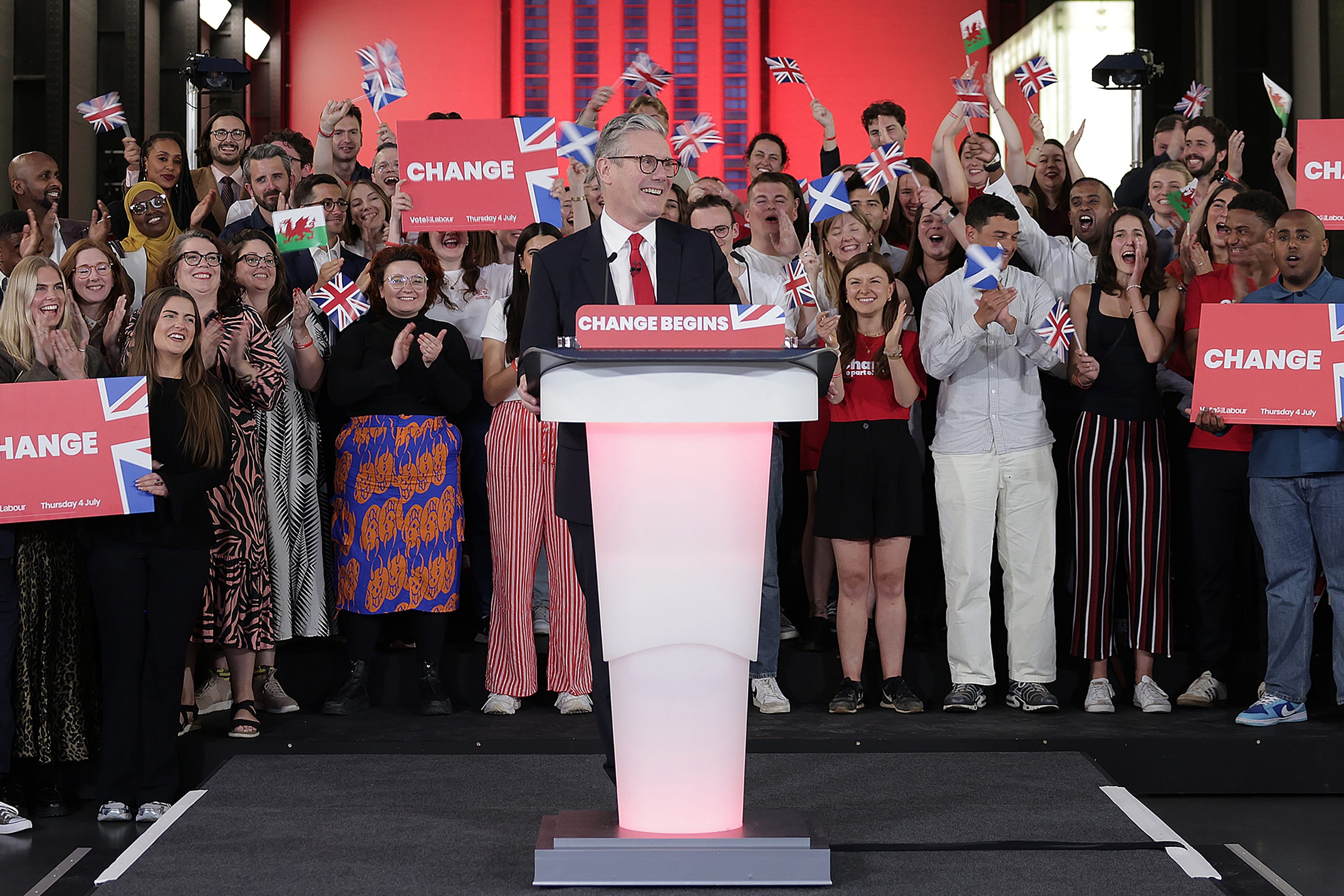
“Early in 2024, when we were preparing for the general election…I did start to realise that we hadn’t done enough to prepare for government. We got exposed for that” These are the words of Morgan McSweeney, who was until recently Keir Starmer’s top political strategist, on Nick Robinson’s Political Thinking last week.
McSweeney has rightly been credited with both getting Starmer selected as Labour leader and helping him win the election in one term - something many thought impossible. This is an impressive legacy. As Starmer said at his leaving drinks in Whitehall a few months ago, “Morgan is the best strategist in the UK”.
However, McSweeney is right to confront a painful truth: that Labour failed to plan for government properly, a mistake that helped sow the seeds of Sir Keir Starmer’s downfall.
Put simply: Labour were very serious about winning, but much less so when it came to governing. This, more than any of the other mistakes made by the Labour government, has made me genuinely angry. After 15 years in opposition, and with people turning away from mainstream politics, to not be ready to govern is inexcusable.
Because, unlike many other things that have buffeted the government, this was in their control, and the consequences of failing to do it were foreseeable.
It is of course easy for me to say this. I didn’t feel the pressure they did to ‘protect the ming vase’. I didn’t work weekends to pull the plan for government together. And, I didn’t stagger into a department the day after the election victory, high on adrenaline but completely exhausted. I know there were many dedicated, hard-working people in the Labour Party who did the best they could in the circumstances.
I also recognise that there were many factors which made this transition harder than most. Labour had been out of power for 15 years meaning there were few people with memory of government. Their inheritance was challenging: worse than Blair’s on public services, worse than Cameron’s on public spending. And, the civil service had been worn down and depleted.
But the fact remains: it wasn’t enough. So, understanding how we got here and how to do it differently is an important task, especially right now as Labour go through a second transition in government.
Planning to fail
What does planning for government entail? Where did Labour fall short? I would divide planning for government up into three components:
Governing project - A clear governing philosophy, by which I mean a story of what the problem in the country is, what has caused it and therefore what you are going to prioritise to fix it. Embedded in this should also be a theory of power, meaning how the state needs reforming to deliver on this agenda. This agenda should be negotiated to sit alongside the political strategy.
This first dimension should then inform - drive decision making around - the second and third.
Policy and implementation - A set of detailed and thought through policies and reforms, set out ready for the civil service to start delivering on. This should also include things like the proposed structure of the centre for government (how it will be delivered), draft legislation and a first 100-day plan including announcements, media interventions, visits and speeches.
People and culture – A team of people clear on whether they have a job, what their role will be and how they need to work with others to deliver on both the government’s agenda. These people should have received training and mentorship in the roles they will be taking up. They must be clear what the leadership wants from them and be able to speak on the leader’s behalf.
In truth, I think the consensus is that Keir Starmer fell short across all three dimensions.
Starmer famously didn’t have a governing philosophy despite many attempts by staff to pull one out of him. The plans for the centre of government were, as I was told, ‘in Sue Gray’s head’. Senior civil servants reported being aghast at how thin the policy plans were. And, advisors, even in the days after the election, had no idea whether they had a job and what role they were going to be asked to play.
There were exceptions to this rule: people working hard to try to fill the gaps and cabinet ministers who had put aside time to plan in detail. But, let’s face the facts: this is no way to run a new government.
The causes of the causes
If, as Morgan McSweeney argued last week, the key cause of Keir Starmer’s downfall was his government’s failure to plan, what lay behind this failure? Why did it happen like this?
First, Labour took a ming vase approach to the electoral strategy. This meant limiting policy development and ideas in or around the party as they were seen as an electoral liability. As one ex-advisor said to me “under New Labour there were numerous people who saw it as their job to bring ideas in, this just isn’t happening this time round”. This was compounded by Keir Starmer’s personal scepticism of ideas and ideology.
Second, Labour made a choice to pursue the widest possible electoral coalition. This helped Labour win a huge majority. But it required them to avoid difficult trade-offs which have made governing much harder. The most obvious of these was the pledge not to put up taxes (and in particular to back Rishi Sunak’s fiscally irresponsible tax cuts), which immediately confronted the government with either breaking a headline pledge or continuing with austerity once in office.
Third, there was a superstition in the Labour Party about being seen to ‘measure the curtains before they got into office’. They felt that too many times before, notably under Kinnock in 1992, they got close to winning and then had it snatched away from them. This led to a decision to put all their resource into winning, and very little into planning for government. It was very late in the day when teams started planning and with very limited resource behind it.
Finally, whilst there was very powerful electoral leadership in Morgan McSweeney, there was no counterbalancing leadership focussing on governing. For months leading up to the election, when people raised concerns about this, they heard the same answer: “Sue Gray is on the way”. But, this happened far too late, and, for all Sue Gray’s skills and experience as a ‘fixer’ in government, her background was neither in politics, policy or delivery in government.
The other side
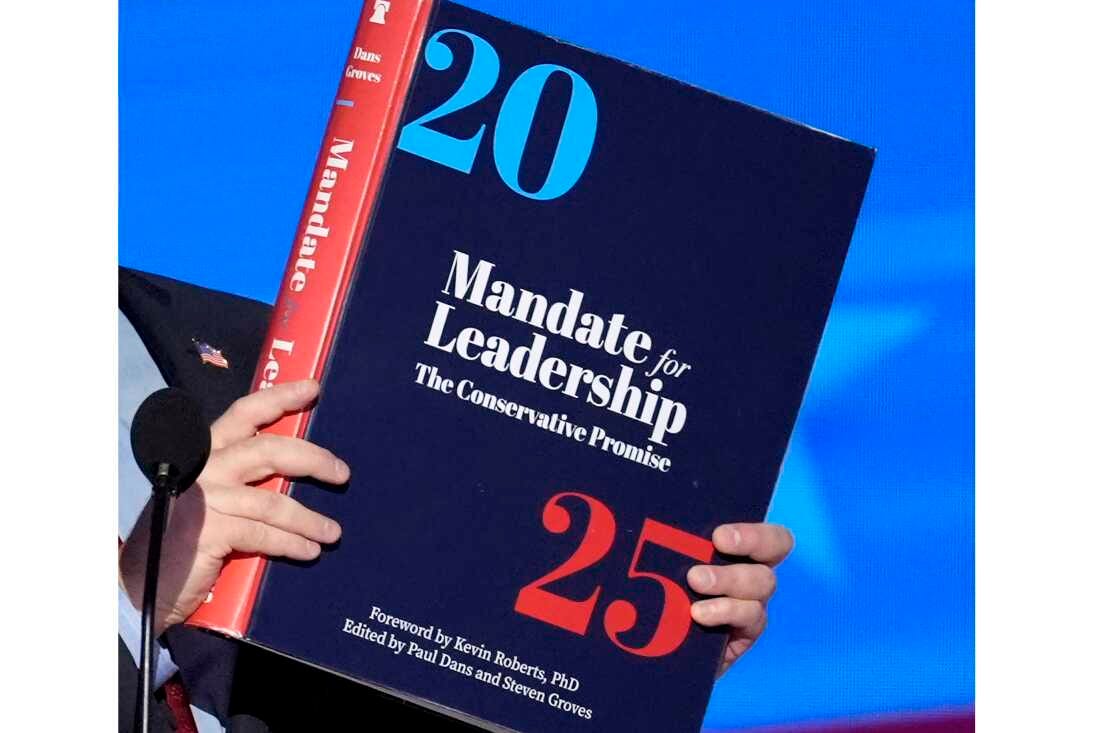
The failure of Labour in the UK to take governing seriously was made starker – and frankly more unforgivable - by the contrast with Donald Trump’s victory over Kamala Harris in the US. Trump, and those around him, had learned the hard way what happens when preparation for government is not taken seriously – and they weren’t going to make the same mistake again.
The accounts of Trump 1.0 between 2016 and 2020 are legend. The transition team was almost non-existent. Key government posts went unfilled for months. Members of the Cabinet were fired by tweet. Policies were announced, with no prior discussion, by Trump on live TV. Trump’s agenda, such as it was, was blocked by those around him who joined the administration to do just that.
Put simply: Trump 1.0 was chaos. And the more reflective Trump allies and MAGA thinkers concluded that as a result Trump’s presidency achieved much less than they had hoped (and they felt he was capable of). Out of the ashes of defeat many of these figures came together to plan for Trump 2.0. Their aim was simple: to ensure Trump 2.0 was ready.
This came together in the now infamous Project 2025, housed by the Heritage Foundation, which brought together MAGA friendly thinkers from across 100 conservative institutions to set out a blueprint for a MAGA presidency. It included a policy handbook, a personnel database of ‘true believers’, and a set of draft executive actions.
This effort was hugely controversial and often contradictory. Much of it was, frankly, mad. Trump even distanced himself from it in opposition. But there is no doubt its core arguments underpin Trump 2.0, many of its policies have been implemented in government and its key personnel have gone into the administration.
This was combined with a concerted effort by those on the inside of the Trump team to do things differently. This included putting much more time and resource behind transition and making appointments much more carefully, with people who see it as their job to deliver for the President, not stop him from doing things. This has been epitomised by the appointment of Susie Wiles as Chief of Staff.
These efforts paid off. The energy, urgency and focus of the Trump administration, at least initially, was epitomised in his first day in office when, live on camera, he sat signing executive orders, one after the other, narrating what he was doing and why. The contrast with Starmer’s opening weeks – notable for the Winter Fuel debacle – is both stark and painful.
Lessons for the Left
Learning the lessons from both the challenges of the Labour transition – and some of the successes of Trump transition – is important. This is immediately true: the Labour Party is currently undertaking another transition, with Andy Burnham likely to take office in 12 days. But, even if it comes (largely) too late for Burnham, the left must learn from its mistakes, as Trump 1.0 did.
Here are a few headline conclusions some of which might be helpful to Burnham’s team now and so of which are thinking about future transitions:
Build capacity, and a culture, within political parties and government, to develop a clear governing project and plan for government. Invest in a shared governing story of what the problem in the country is, what has caused it and therefore what you are going to prioritise to fix it. This must be deeper than ‘the other side are the bad guys, put us into office’. This governing agenda should be negotiated to sit alongside the political strategy. This requires capacity – and a culture - in the party to do this. Staff must be rewarded for thinking about the bigger picture and developing ideas. A senior figure in the party, willing to go head-to-head with the political team, should be appointed with a fully staffed team to do this work. This is also needed for renewal in government. The government should invest in a strategy unit – alongside policy and delivery units – to do this work.
Cultivate organisations and people around political parties and government to drive ideas and shape public opinion. Even with the capacity set out above, there will be a limit of what can be achieved within the party and government given the demands on their time. External actors can think more strategically and long term, contest big debates and float ideas, outride to make the case for changes, and develop future talent. This should be independent of politics: this is both a requirement legally (at least of charities) but is also important to create space for ideas and innovation. But political parties can help ensure this activity flourishes by resourcing teams internally to engage fully and creating a culture which is permissive of challenge and creativity.
Take talent and culture really seriously. There are few more important factors in successful governing than the talent of the people appointed and the culture of the team created. Yet politics almost always fails to take cultivating talent and consciously building effective cultures seriously. Political parties should set up a proper, transparent system for making appointments – supported by organisations or teams whose job it is to scout talent. Ensure people, especially the top team, are appointed as early as possible and know what role they will be taking on. Give clear job descriptions, enforce proper line management processes and offer training, mentorship and support. Set the culture of the team from the top including how you expect people to work together, how difficult decisions are taken and how to manage disagreements in a system of collective responsibility.
Reform the process of politics and transition to help achieve this. Our political system, as currently set up, makes transition harder. Two things are worth highlighting. First, we don’t fund politics properly which makes resourcing prep for government harder. I think we should cap private donations (kicking big money out of politics) and provide state funding (or civil service resource in kind) for transition planning and policy development for opposition parties. Second, we don’t have an effective transition process. We should follow the example of countries such as Australia, New Zealand and Canada by introducing a formal transition period (at least a week, if not longer) so political parties have time to recover from the campaign and make appointments. We should put in place a codified set of rules to allow the civil service to engage with the opposition earlier and to manage transition periods. This Labour government should commission a cross-party group to agree these measures.
One thing that has struck me about the whole Starmer Experience! is that the 1997 government obviously did prepare very thoroughly indeed, but for various probably invalid reasons, nobody seems to want to refer to that. Note the thing about curtains and 1992; the next time out, Labour certainly did not avoid planning for government out of superstition.
It strikes me that this is a strike in favour of the theory that the Starmer government's big flaw was its excessive domination by the traditional Labour Right as opposed to Blairites, the soft-left, or whoever else - if there's a superstition about 1992 that means you shouldn't think too much about governing because curtains, it won't be the institutional memory of the people who ran the 1997 campaign, will it?
Other invalid reasons:
- general anti-intellectualism and suspicion of ideas (there was a very odd dichotomy in 1997-2010 in which there was both constant obsession with "Blairism" and also insistence that it was empty of content and there was no ideology; I think this reflects a combination of not caring about ideas and feeling obliged to identify something analogous to Thatcherism for all subsequent PMs)
- dislike of the ideas themselves (Blair had ideas - I disagree with them - therefore I won't have any ideas)
- fashion